
Efficiency of Screw Compressor: A Technical Guide to Maximising Performance
The efficiency of a screw compressor is one of the most important indicators when evaluating electrical consumption, operational reliability and the long-term sustainability of a compressed air system. In industrial environments where air demand is continuous, even small improvements in efficiency can lead to significant energy savings and greater process stability.
Screw compressors — whether oil-injected, oil-free, single-stage or two-stage — are known for stable operation, low pulsation and long service life. However, their true efficiency depends on several technical and environmental factors. Understanding these variables makes it possible to optimise resources, reduce wear and ensure consistent performance throughout the equipment’s lifecycle.
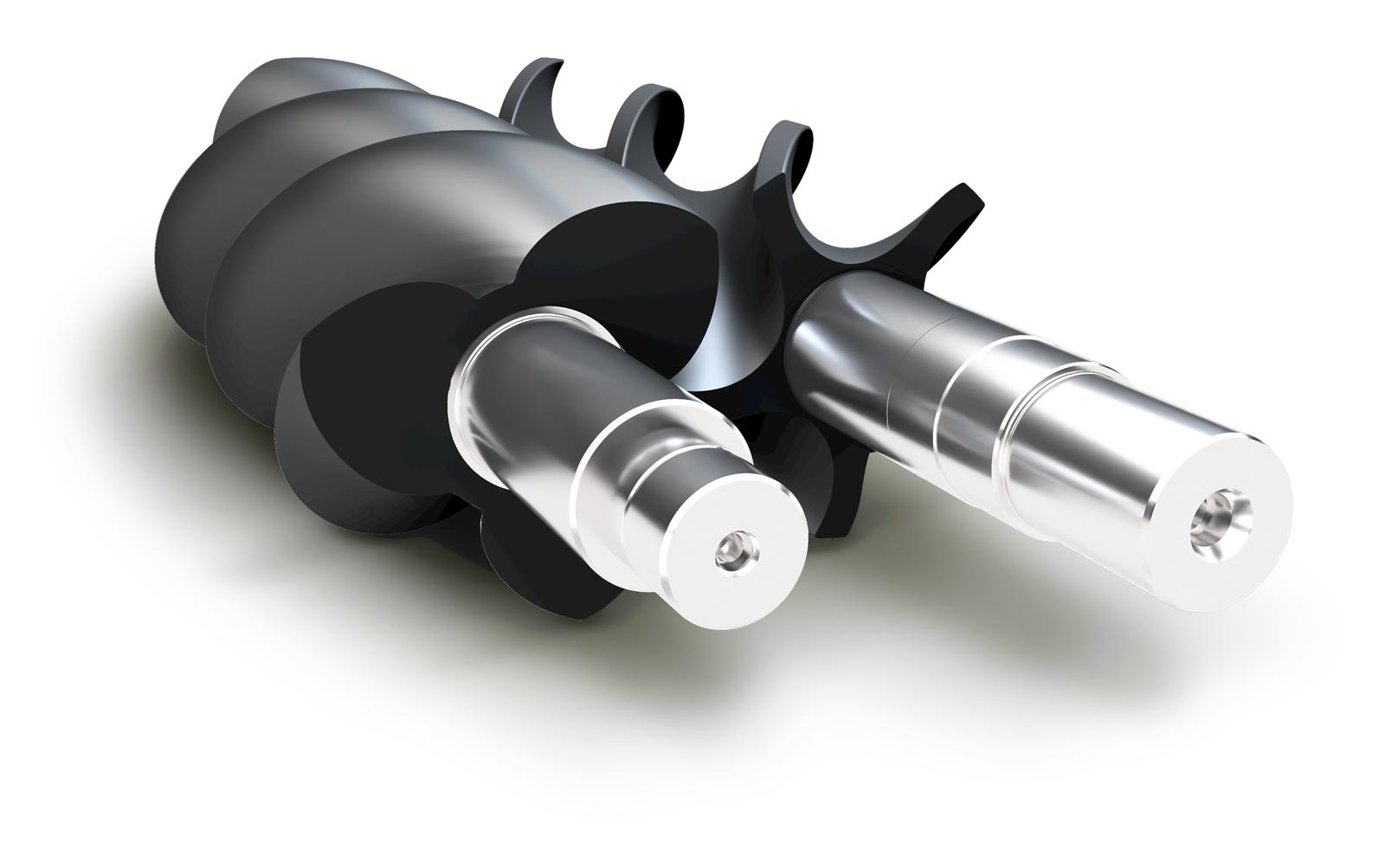
How Screw Compressors Work: The Basis of Their Efficiency
Understanding efficiency begins with the fundamentals of how screw compressors operate:
- Operating principle: two interlocking helical rotors rotate in opposite directions, trapping and compressing air continuously and without pulsation.
- Types of compressors: oil-injected for general industry, oil-free for sensitive sectors, single-stage for moderate pressures, and two-stage for higher-demand environments.
- What “efficiency” means: the compressor’s ability to deliver maximum usable airflow with minimal energy consumption, reducing internal leakage, heat and mechanical losses.
Key Metrics Used to Measure Screw Compressor Efficiency
Below are the main technical indicators used by manufacturers and specialists to evaluate compressor performance:
Isentropic Efficiency
Compares the ideal energy required to compress air with the actual energy consumed. It is the industry’s primary reference metric. Higher percentages indicate superior performance.
Specific Power
Expressed as kW/100 m³/h or kW/100 CFM, it represents how much energy the compressor needs to produce a specific airflow. Lower values indicate higher efficiency.
Volumetric Efficiency
Measures the difference between theoretical and actual delivered airflow, highlighting internal leakage or rotor wear.
Real-World Efficiency
Takes into account environmental conditions, piping pressure drops, operating pressure and load profile. This is the metric that most affects the system’s annual operating cost.
Factors That Influence the Efficiency of a Screw Compressor
A screw compressor’s efficiency is shaped by mechanical, environmental and operational aspects, including:
- Rotor design and mechanical tolerances
- Operating pressure and load profile (full load, part load, cyclic)
- Air intake conditions (temperature, humidity and filtration quality)
- Lubrication and thermal management
- Preventive maintenance and component condition
- System design and pressure drop across the distribution network
Common Causes of Efficiency Loss
Over time, wear or insufficient maintenance can lead to efficiency loss. The most frequent causes include:
- Rotor wear or deterioration of internal coatings
- Incorrect pressure settings
- Clogged filters or restricted air intake
- Thermal issues due to poor ventilation or high ambient temperature
- Improper or insufficient lubrication
- Incorrect compressor sizing relative to the facility’s demand
Applications Where Screw Compressors Deliver the Highest Efficiency
Screw compressors are especially efficient in:
- Industrial processes with continuous air demand
- Food, pharmaceutical and automotive environments
- Manufacturing plants with moderate load variations
- Applications requiring low pulsation and a stable airflow (painting, robotics, packaging, instrumentation)
How to Improve the Efficiency of a Screw Compressor
Several practical strategies can significantly increase system performance:
- Set the operating pressure to the minimum required
- Maintain filters and air intake components in optimal condition
- Apply regular preventive maintenance
- Install variable speed drives (VSD) for variable-load applications
- Inspect the entire compressed air network for pressure drop issues
- Evaluate upgrading to more efficient compressor technologies
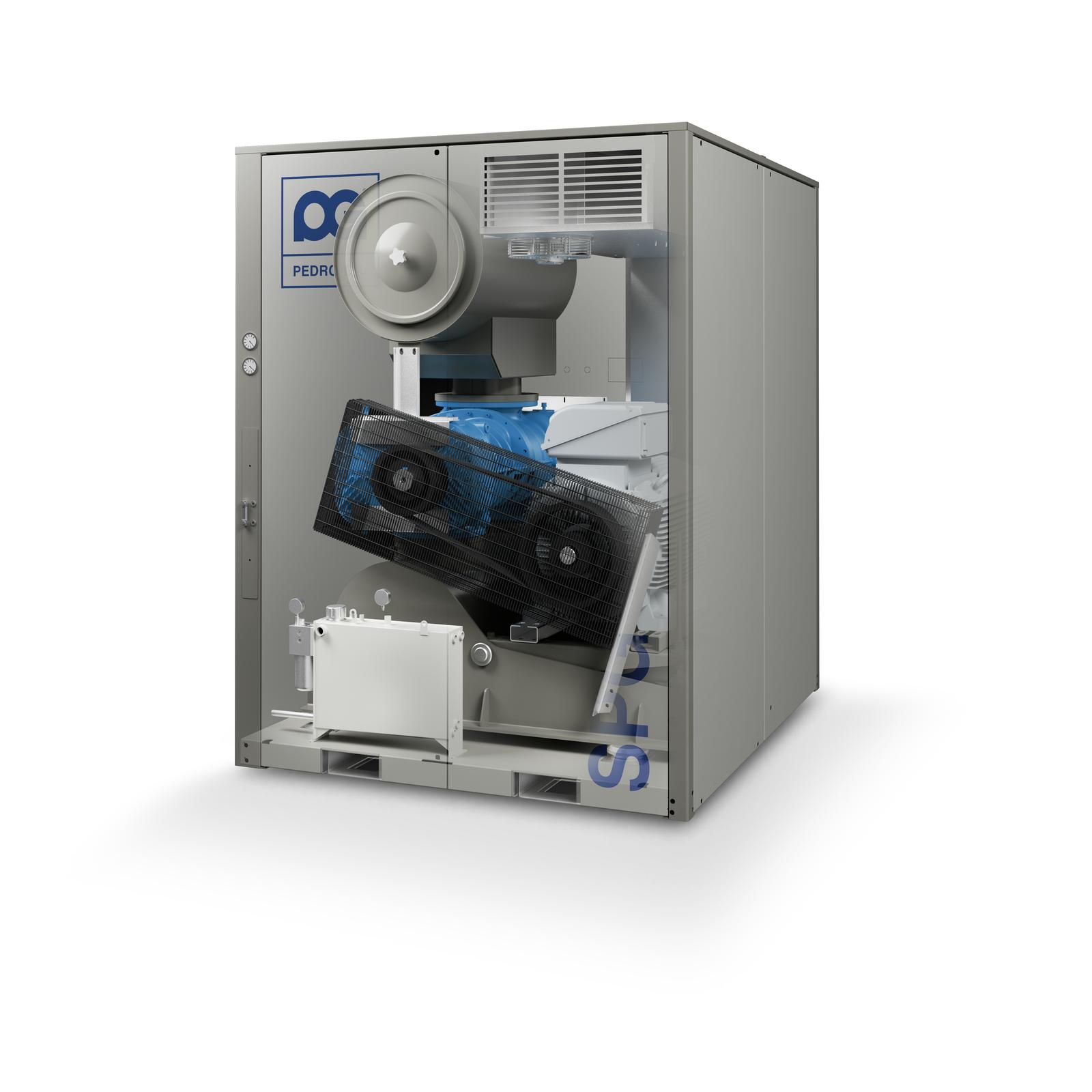
Comparing Screw Compressor Efficiency with Other Technologies
Screw vs Centrifugal Compressors
- Screw: excellent efficiency under part-load or fluctuating demand
- Centrifugal: superior efficiency in high-flow, steady-state applications
Screw vs Reciprocating Compressors
- Screw: lower maintenance, continuous flow, ideal for long-duration operation
- Reciprocating: more efficient in small-capacity or very high-pressure applications
Typical efficiency ranges:
- Oil-injected screw: 0.65 – 0.75 (isentropic efficiency range)
- Oil-free screw: slightly lower due to lack of lubrication
- Two-stage screw: higher efficiency at elevated pressures
Why Efficiency Matters: Cost, Sustainability and System Reliability
Higher efficiency translates directly into:
- Significant reduction in electrical consumption
- Lower internal temperatures and reduced component wear
- Longer equipment lifespan
- Greater system availability
- Lower carbon footprint and more competitive TCO (total cost of ownership)
Even improvements of 5–10% can result in substantial annual energy savings in facilities where compressed air is essential.
How Pedro Gil Helps You Maximise Screw Compressor Efficiency
The efficiency of a screw compressor depends not only on the technology itself but also on how the equipment is used in real operating conditions. Every installation works under different loads, temperatures and demands, which makes it essential to analyse the system, adjust pressures where needed and understand where performance can be improved.
This is where Pedro Gil adds value. Our role is to look at how each compressor behaves in its actual environment, suggest practical adjustments and support companies in implementing improvements that have a direct impact on energy use and system reliability. Small, well-reasoned technical changes often make the biggest difference in day-to-day operation.
Efficiency is not a destination; it’s a way of managing compressed air with accuracy, consistency and good maintenance practices.
FAQs
Variable‑speed (VSD) oil‑free screw compressors are generally considered the most efficient because they adjust motor speed to match air demand, minimizing energy waste. Oil‑free designs also reduce mechanical losses and ensure cleaner, more efficient compression.
(* required fields)