
Common Vacuum Pump Maintenance Mistakes and How to Avoid Them
Vacuum pumps operate in processes where continuity, vacuum stability and equipment reliability are critical. In this context, many failures do not appear suddenly. They begin with small maintenance deviations that, over time, lead to performance loss, higher energy consumption, process contamination or unplanned downtime.
This guide summarizes the most common maintenance mistakes in industrial vacuum pumps, the warning signs that should be checked early and the measures that help protect equipment reliability in the medium and long term.
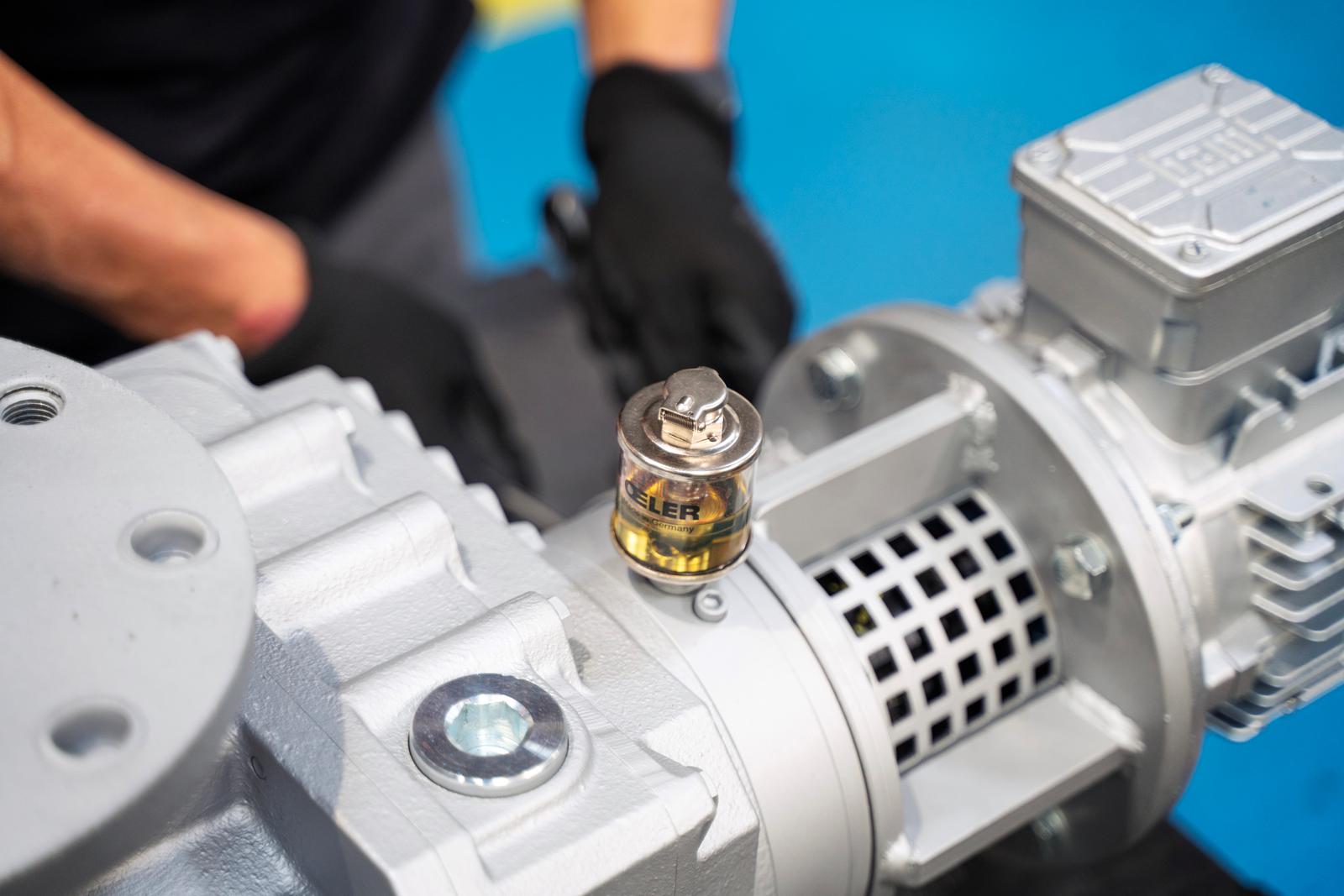
Why Maintenance Mistakes Become Expensive
In a vacuum pump, a poor maintenance practice, such as delaying an inspection or using an unsuitable consumable, usually does not affect just one specific component. In most cases, the problem ends up affecting several areas at once:
- lower vacuum level or longer time to achieve it
- increased temperature and premature wear
- internal leaks or loss of tightness
- higher energy consumption
- greater risk of failure and production downtime
- reduced process reliability
That is why a well-planned preventive maintenance strategy should not be seen only as a routine technical task, but as a direct measure to reduce incidents, protect production and extend system service life.
Common Mistakes in Vacuum Pump Maintenance
1. Ignoring Recommended Maintenance Intervals
One of the most common mistakes is postponing inspections or extending service intervals too much. In the short term, this may seem like a way to reduce costs, but in practice it often results in more wear, more internal contamination and a higher probability of failure.
Maintenance frequency should not be defined by the calendar alone. Actual operating hours, workload, operating temperature and the type of gas or vapor handled by the installation also play an important role.
2. Using Unsuitable Oils or Lubricants
In pumps that require lubrication, oil is a key element in protecting internal components. Using an incorrect lubricant, a low-quality product or one outside specification can generate more friction, overheating and premature degradation.
In addition, when the oil becomes contaminated and is not replaced in time, it no longer protects internal components properly and may compromise the overall reliability of the system.
3. Failing to Replace Filters, Seals and Wear Parts on Time
Filters and seals are components directly related to system tightness, internal cleanliness and operational stability. When they are not replaced at the right time, the likelihood of vacuum loss, contaminant ingress and progressive deterioration of other equipment components increases.
A common mistake is waiting for the equipment to “show clear symptoms” before replacing these parts. In many cases, by the time the problem becomes visible, the impact on performance has already occurred.
4. Neglecting the Cleanliness of the Environment and the Equipment Itself
Dust, moisture, particles or process residues can directly affect the operation of a vacuum pump. The accumulation of contaminants reduces efficiency, accelerates wear and increases the risk of corrosion or mechanical issues.
Keeping the working environment clean, checking critical points and acting before dirt builds up is one of the simplest and most cost-effective preventive measures.
5. Not Monitoring Changes in Noise, Vibration or Temperature
Many breakdowns do not begin with a complete shutdown, but with small warning signs: increased vibration, unusual noise, a rise in temperature or longer evacuation times.
When these signs go unnoticed, the pump continues to operate outside its optimal condition and wear progresses. Monitoring these parameters helps intervene before the fault turns into a major incident.
6. Using Generic Spare Parts Without Ensuring Compatibility
In the short term, a non-original spare part may seem like a cost-effective option. However, if it does not provide the right compatibility, tolerance or quality, it can affect tightness, performance and overall reliability.
In industrial equipment, maintenance consistency is essential. Using suitable spare parts helps maintain the expected pump performance and reduces medium-term risks.
7. Applying the Same Maintenance Plan to Every Pump
Not all vacuum pumps have the same requirements. Maintenance conditions vary depending on the vacuum technology, the type of process, the duty cycle and the presence of dust, moisture, vapors or aggressive gases.
That is why an effective plan must be adapted to the equipment and its actual application, rather than applying a generic routine across the entire installation.
Warning Signs That Should Be Checked Early
There are several signs that usually indicate the pump needs inspection:
- drop in vacuum level
- longer time to reach target pressure
- increase in operating temperature
- abnormal vibration or noise
- degraded or contaminated oil
- leaks or loss of tightness
- repeated issues with filters and seals
- increased energy consumption
Detecting these signs early helps avoid more costly failures and makes it possible to plan the intervention with less impact on production.
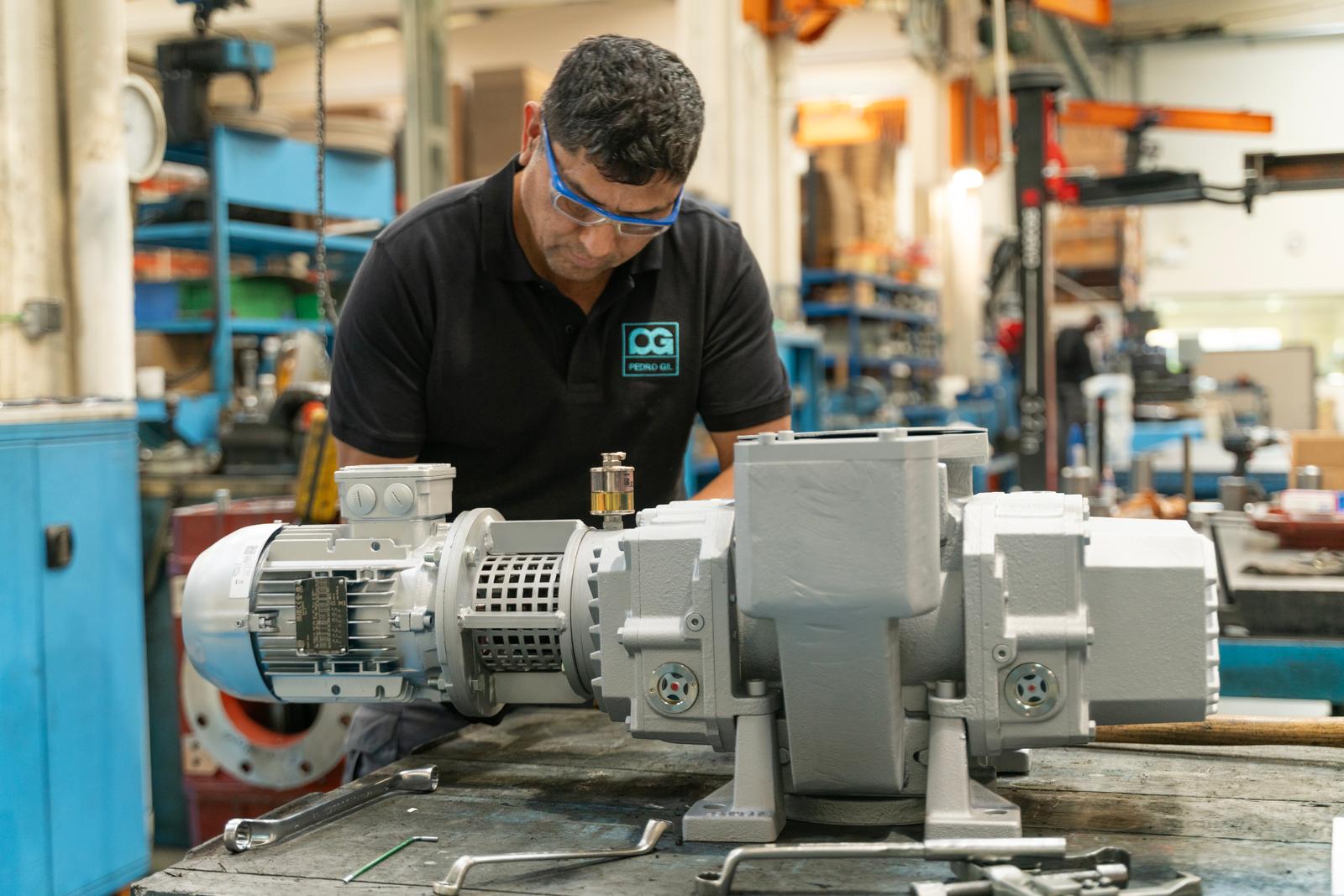
Good Practices for Preventive Maintenance
Effective preventive maintenance does not simply mean “performing inspections.” It must be adapted to each installation and requires defining a routine consistent with the actual use of the equipment. As a general reference, it is advisable to review:
Daily or Routine Checks
- overall equipment condition
- noise, vibration and temperature
- presence of leaks or visible dirt
Periodic Checks
- condition of oil or lubricant, when applicable
- filters, seals and consumables
- actual system performance
- working environment conditions
Based on Service Hours or Technical Recommendation
- replacement of wear parts
- tightness inspection
- internal cleaning and more in-depth checks
- validation of the maintenance plan according to actual use
When to Request Technical Support
When repeated failures, performance loss or doubts about consumables, spare parts or service intervals appear, the most advisable step is to inspect the equipment before the issue escalates.
Having specialized technical support makes it possible to diagnose deviations, define a maintenance plan better suited to the application and reduce the risk of unplanned downtime.
At Pedro Gil, we provide aftermarket support to help maintain the reliability and performance of vacuum systems in industrial operation.
Our services include:
- specialized technical assistance
- suitable spare parts to maintain equipment compatibility
- service and oil kits
- preventive maintenance to reduce unplanned incidents
If you need to assess the condition of your vacuum pump, plan maintenance or request spare parts and support, our team can help define the most suitable solution for your installation.