
Industrial air blowers
Industrial air blowers are designed to deliver a constant flow of air or gas at controlled pressure in processes where continuity and reliability are critical. They are commonly used in applications such
as aeration, pneumatic conveying, drying, and other production systems that operate for long hours every day.
In one sentence: an industrial blower converts energy into usable flow for your process, optimizing the balance between pressure, power consumption, and operating stability.
Pedro Gil air blower technologies
At Pedro Gil we develop and supply different blower technologies to cover a wide range of operating conditions and industrial requirements. The right choice depends on factors such as required flow, pressure, duty cycle, and the target level of energy efficiency.
RPG rotary lobe blowers
A robust and versatile solution for many industrial applications. Rotary lobe (Roots-type) blowers stand out for their reliability and their ability to maintain stable performance under demanding conditions.
Screw compressors
Oil-free screw compressors are a suitable option when stable operation is required under certain load profiles and you need a strong balance between performance and operating efficiency. In applications requiring oil-free compressed air, this technology is a complementary alternative within the pressure area.
Turbo blowers
Pedro Gil turbo blowers use technology focused on maximizing energy efficiency in specific applications, especially where electricity consumption represents the largest component of total operating cost (OPEX).
Vacuum area
In addition to air blowers, we provide industrial vacuum solutions for extraction, evacuation, and processes that require stability, performance, and continuous reliability.
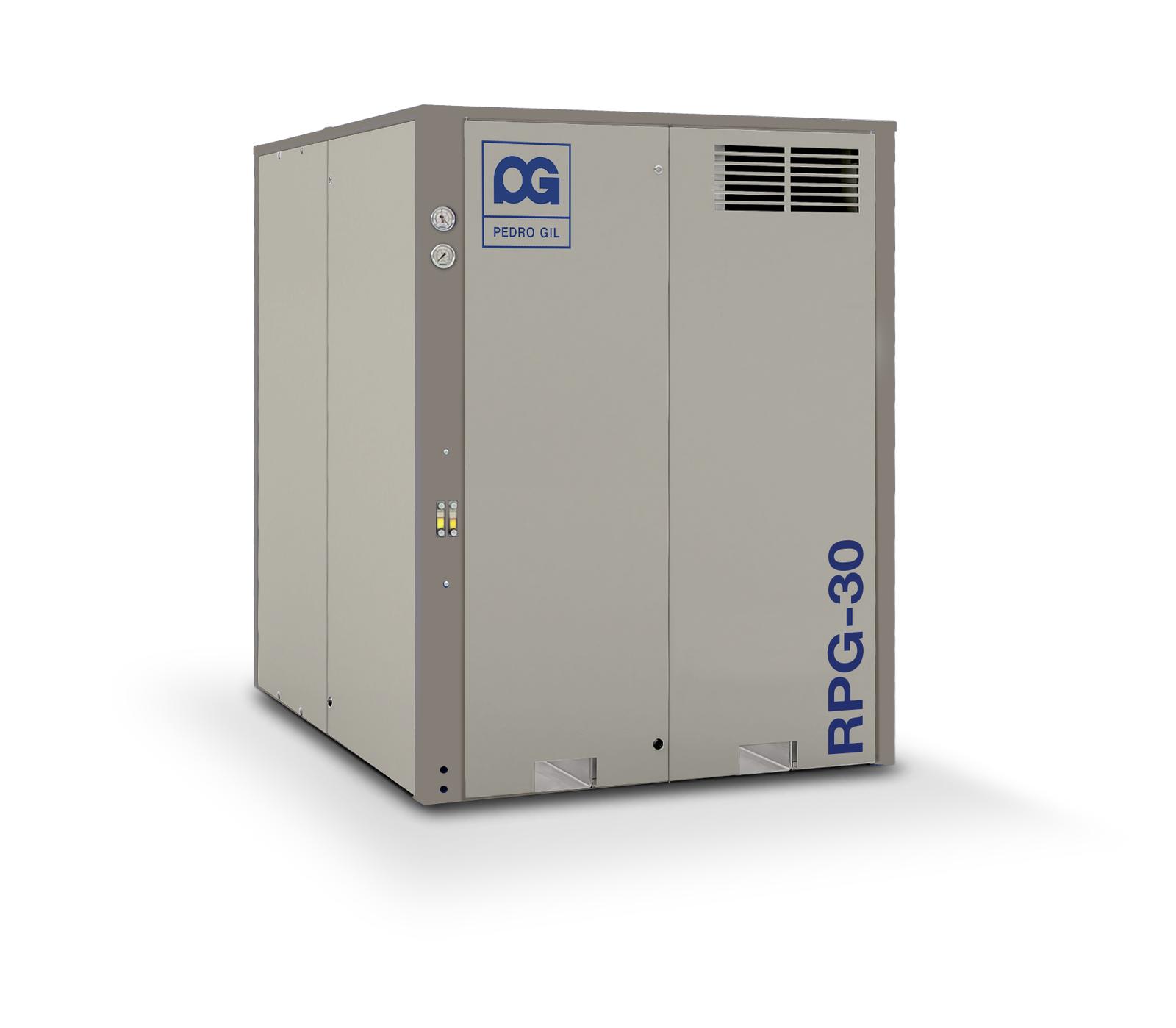
RPG Rotary Lobe Blowers
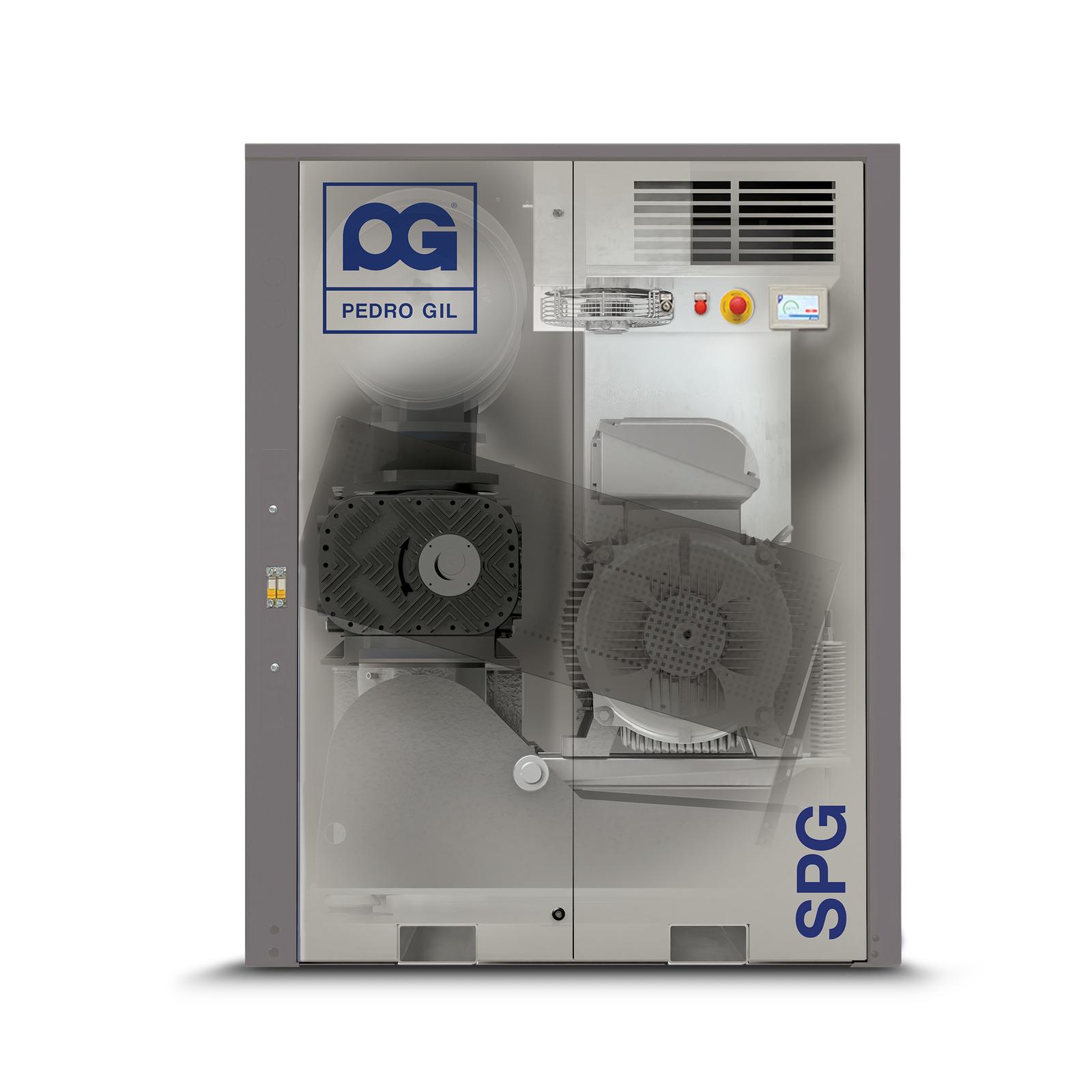
Oil Free Screw Compressors
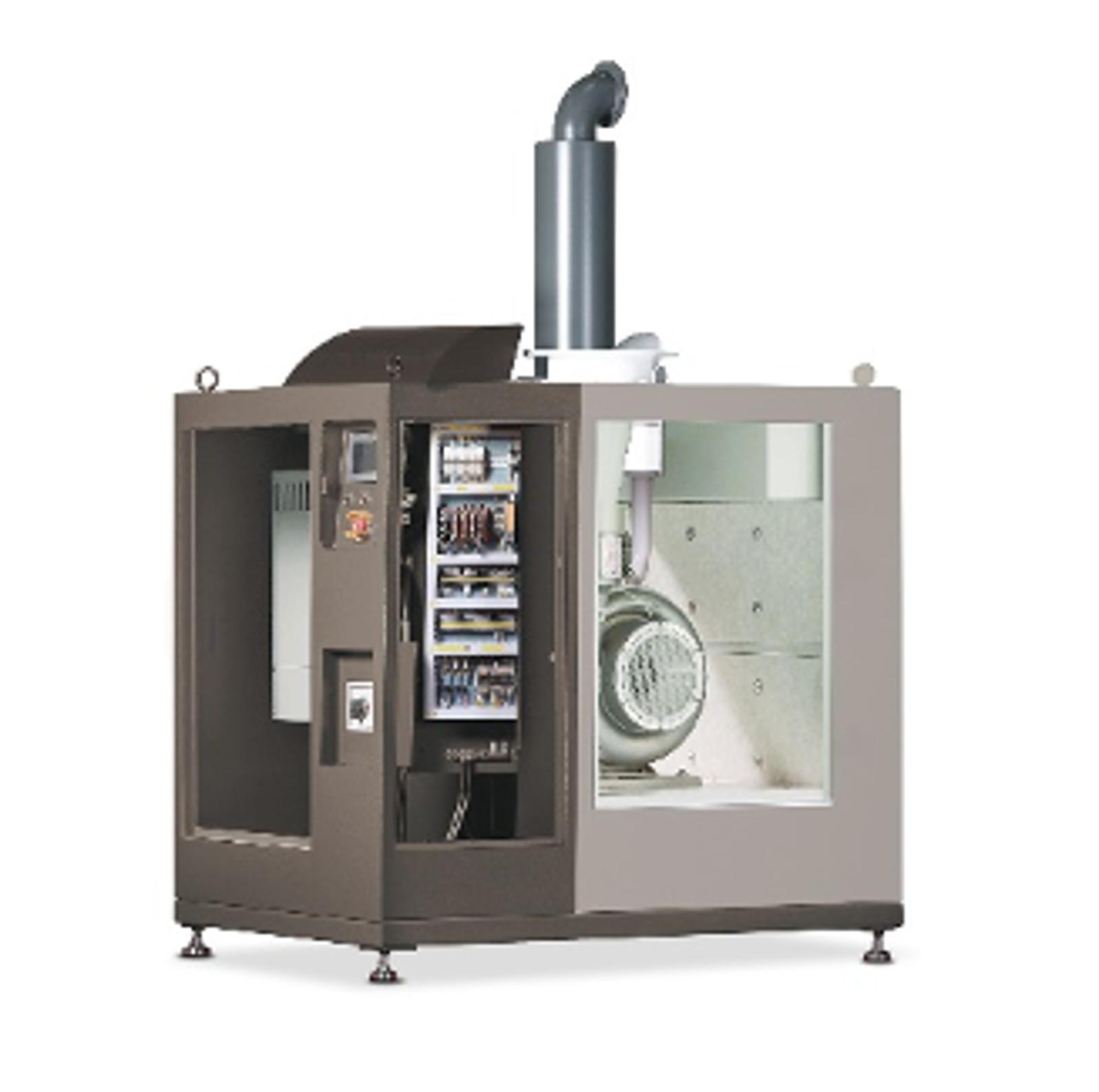
The Latest in Turbo Blowers - Pedro Gil

Vacuum range
Which blower technology fits your process best?
The most reliable approach is to start from your process needs (flow, pressure and duty cycle) and choose the technology that optimizes total cost (OPEX), reliability and maintenance.
Process requirement | Roots (rotary lobe) | Screw | Turbo |
Overall robustness and versatility | ✔️ | ✔️ | ✖️ |
Maximum efficiency in aeration | ✖️ | ✖️ | ✔️ |
Variable / demanding load profile | ✔️ | ✔️ | ✖️ |
Simple, straightforward maintenance | ✔️ | ✔️ | ✖️ |
Key benefits and technical features of our air blowers
Energy efficiency focused on OPEX
- Optimized operating point to reduce energy consumption in continuous operation.
- Lower total operating cost when the blower runs for long hours each year.
- Selection based on usable flow and stable pressure—not only installed power.
Stable performance for demanding processes
- Consistent flow and pressure to maintain process quality.
- Fewer fluctuations in lines with constant demand, repetitive cycles and high precision needs.
- Better operational control and improved repeatability in the plant.
Industrial reliability and extended service life
- Designed for intensive duty cycles and demanding industrial environments.
- Fewer unplanned stops thanks to robust design and stable operation.
- Reduced corrective maintenance through a preventive approach.
Controlled noise and vibration
- Solutions aimed at improving comfort and installation stability.
- Lower impact on the working environment and compliance with noise requirements.
- A more stable system with fewer vibrations and operating noise.
Configurations tailored to your application
- Selection based on flow, pressure and real operating conditions.
- Ability to configure key elements depending on the project (inlet, filtration, silencing, instrumentation and control).
- Cleaner integration in the technical room and performance aligned with real use.
Planned maintenance and support
- Preventive checks and maintenance to minimize unexpected downtime.
- Higher availability in critical installations.
- Technical support and spare parts to ensure continuity of operation.
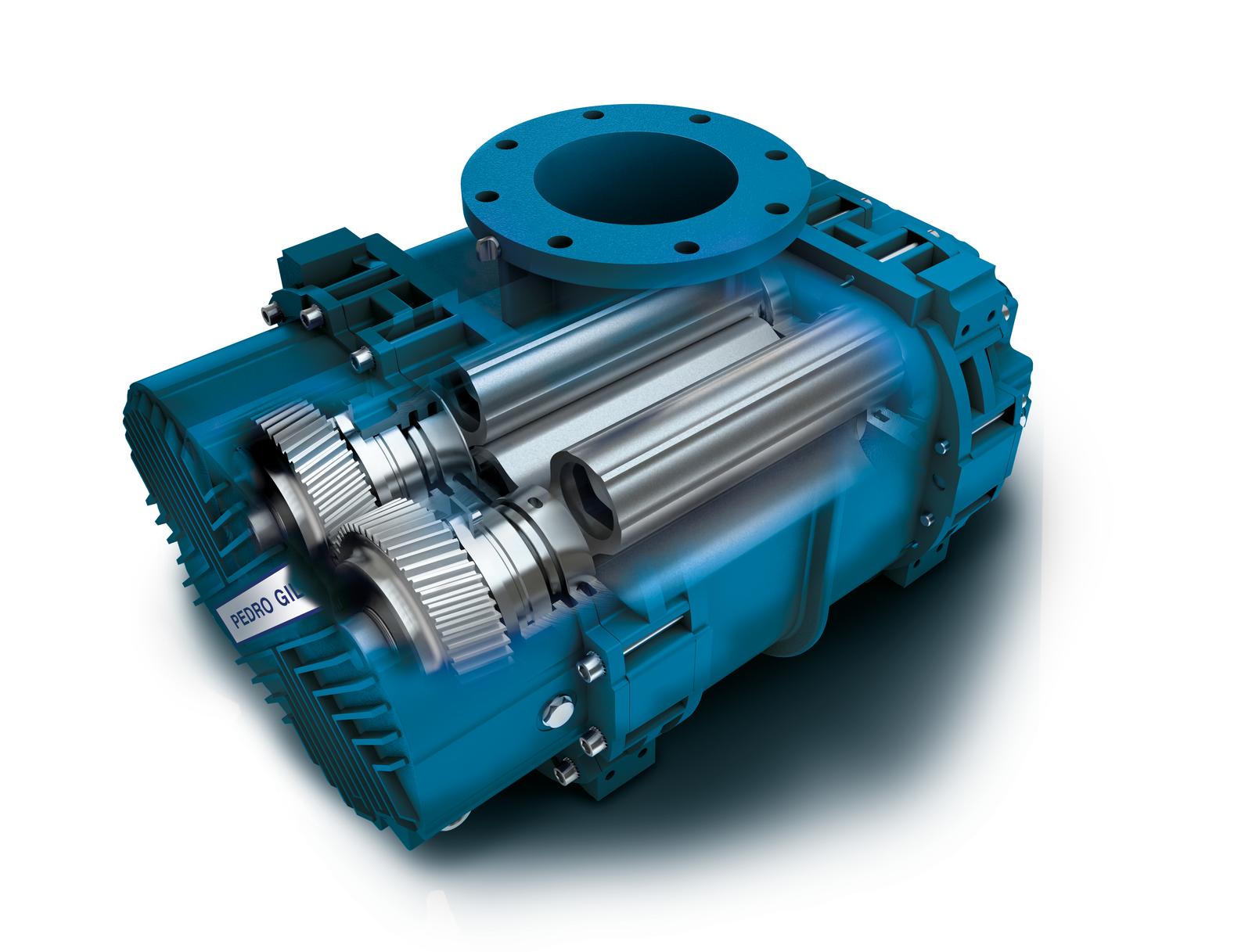
How to choose an air blower
Choosing an industrial air blower is not just “picking a model”: it means sizing the real operating point so the unit delivers the required flow at the right pressure, with the best balance of consumption, noise, reliability and maintenance. Before comparing technologies, define these parameters clearly.
1) Define the operating point (flow + pressure)
Required flow (m³/h or Nm³/h):
- Nominal process flow and whether there are peaks or minimums.
- Whether demand changes by shifts, batches, seasons or process stages.
- Whether constant flow or regulation is needed (VSD control, valves, etc.).
Working pressure (bar / mbar):
- Target pressure at the point of use (not only “at the outlet of the unit”).
- Losses across pipes, filters, valves, silencers and process elements.
- Safety margin to avoid operating outside the optimal range.
A correctly selected blower keeps the process stable without being oversized or overstressed.
2) Analyze the gas and the environment
Gas type / air quality:
- Humidity and presence of dust or particles.
- Potentially aggressive compounds (corrosion) and material requirements.
- Whether the process needs particularly clean air or reinforced filtration.
Installation conditions:
- Ambient temperature and ventilation of the technical room.
- Altitude (affects air density) and inlet conditions.
- Space available, accessibility and piping/works constraints.
3) Define the duty cycle
Operating regime:
• Continuous 24/7, shift-based operation, frequent start/stop cycles.
• Variable load or long periods at a single operating point.
• Control and automation requirements (integration into the plant).
Plant priorities:
- Reduce consumption (OPEX), improve process stability, or lower noise.
- Maximize reliability and availability (minimize downtime).
- Optimize total cost (CAPEX + OPEX + maintenance).
4) Plan maintenance and support
Maintenance and support:
- Available shutdown windows (when you can stop and for how long).
- Criticality of the unit within the process (is it a bottleneck?).
- Need for spare parts, service kits and technical support.
A strong preventive approach reduces unplanned stops and extends system life.
Quick checklist
If you share these data, we can recommend the most suitable configuration:
- Nominal flow + peaks/minimums
- Required pressure at the point of use
- Gas/conditions (humidity, dust, corrosion)
- Operating hours and load variability
- Installation conditions (temperature, ventilation, altitude)
- Priority: efficiency / noise / reliability / total cost
- Maintenance/support needs (shutdown windows, spares)
Request a quote
Frequently asked questions about air blowers
An air blower delivers a constant flow of air or gas at controlled pressure to feed industrial processes. It is used when continuity and stability are required, for example in aeration, pneumatic conveying, drying, process ventilation and production lines.